The Most Underrated Companies To Watch In The French Door Repair Industry


How to Fix Common French Door Repair Problems
French doors can bring an air of sophistication to any home. They are also perfect for period homes.
They're also easy to maintain. It is recommended to clean them regularly, using a mild soap solution.
Nevertheless, they can be damaged over time like any other door. There are many methods to repair these doors.
Broken or cracked window
A cracked or broken glass window is not only unsightly, but it also affects the security of your home and its insulation. While it's impossible to stop the spread of a crack but you can slow the process down with some easy and quick solutions.
The first step is to wear protective glasses and gloves when working with glass as it is very easy to break glass shards in the event of negligence. To get rid of dirt and other debris, use a moist cloth to scrub the area around the crack. This will ensure that the adhesive that you apply to fix the crack adheres well and doesn't leak or cause additional damage.
Decide whether you'd like to make use of a temporary solution like tape or film to cover the hole or if a permanent solution is what you'd prefer. If you choose to choose the latter option, make sure to use a glass glue that is specifically designed specifically for glass and windows such as Loctite’s Super Glue Glass. This glue is strong and can be used on the outside or inside of your glass windows and. It's perfect for quick repairs.
A clear nail polish can also be used to temporarily fill in cracks. This is particularly useful for stress cracks that develop when the temperature changes dramatically from cold to hot. Be aware that nail polish wasn't created to withstand moisture, which means it isn't able to last for an indefinite period of time. Additionally, you can protect your windows by putting up the use of a plastic barrier that will shield the glass and help keep out rain, wind, bugs and other pests.
Sagging Hinges
A sliding front door can be an eye sore and could affect the stability of your home. Fortunately, the issue is usually fixable. It is important to fix the issue as soon as your door starts to slide. Minor problems can become more serious, such as noises, or other issues.
Start by checking the hinges. Most often, loose screws are the culprit. If tightening the screws does not resolve the sagging, replacing them with longer screws could help. Longer screws will support the weight of your door and keep it from sliding.
It is also possible to add shims in order to adjust the hinge's position. These thin strips can be placed between the frame or jambs to distribute the weight of the door evenly. This will prevent future sagging. Use a doorstop or let someone else hold the door in place while you remove the screws from the affected hinge, and then carefully lift the door off of the hinges.
It's important to remember that a floor that is uneven can cause the door to sag. This can lead you to inspect the floor for any issues and fix them, which will help solve the sagging problem without focussing on the door itself. In some instances the sagging could be due to the condition of the hinges, for instance the pin or knuckle. In this scenario, you will need to replace the hinges. This is an intimidating task for homeowners who lack carpentry experience. In some cases, sagging door hinges may also mean that the construction of the door is too heavy for its frame or jamb.
Misaligned Doors
If your doors are sliding or scraping against the frame or are difficult to latch, they may be not aligned correctly. A door that is not aligned properly is a source of frustration, but it also can contribute to energy inefficiency and squeaky, scratchy noises throughout your home. Luckily, there are several simple ways to address this issue without calling in an expert.
If the door's gap is uneven, the hinges could require tightening. If, however, the gap isn't too large it could be due to your door frame shifting or settling over time. In this scenario you can use shims to reset the frame.
A high level of humidity in the air is another common reason for misalignment. This could cause the wood to expand and cause doors to not to close properly. However, this isn't an issue for long and usually is resolved when humidity decreases.
In the aftermath of a storm, many people find that their doors are not properly aligned. The solution is simple: tighten the hinge screws. This usually resolves the problem however, if it does not, consider using longer screws for your hinges. This will give the hinges more support and stop them from falling off again.
Another issue that could be a problem is an unaligned strike plate. Typically, the strike plate needs to be relocated lower to allow for more space for the latch. This is a simple fix however, you'll need to remove the old strike plate, and drill holes for it. You can then make use of a dowel made of wood that's exactly the same size as the screw hole to fill in the holes, and then secure the strike plate in its new location.
Broken Latch
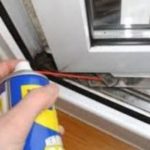
If the latch doesn't retract when you manually push it or operate the handle, it is likely that the internal mechanism is broken. Checking where the latch contacts will help you identify the reason for it to fail. The test for lipstick can be used to determine if the issue originates from sagging hinges, or a misaligned latch bolt. It will also reveal the cause of the problem if it's a combination of issues, such as hinges that are not aligned properly and a small strike plate. To conduct the test apply the strip of lipstick (or other marking material) over the latch. Close and then open the door. If the latch is in contact with either the lipstick below or the lipstick above the strike plate, this indicates that the latch and the strike plate aren't in contact.
The best way to fix this is to grease the latch. WD-40 and other dry lubricants do not perform as well as graphite pencil. french door repairs near me can also employ a cotton swab to remove any dirt from the keyhole.
If lubricating your latch does not resolve the issue, it could be necessary to relocate the strikeplate. If you've sanded, shimmied or pushed the hinges, or increased the strike plate's hole, you'll need to move the strike plate into the correct position in relation to the latch. Check the latch after you've adjusted the latch and moved the strikeplate to the proper position. If your latch is still not working then you can use wood filler to fill in any gap or screw holes that were created by moving the strike plate or sanding hinges. Then, you can stain or paint the frame to complete the repair.
Leaks
A serious problem can arise from French doors that leak. They can let water be able to seep into your home and cause wood damage as well as the growth of mold. This could result in costly repair bills in the future. The good news is, most French door leaks can be fixed with a little work and some basic tools.
Inadequate weatherproofing is among the main causes of leaks from French doors. This is due to French doors distinctive design, which consists of large areas of tempered glass and a frame. It is essential to regularly check all components of your French doors for signs of wear and tear that could result in leaks. It is also essential to ensure that the seals are in good working order and have not changed over time.
If you find that your French doors leak when it rains it is recommended to conduct an extensive inspection to find the source of the leak. Check for any obvious indications of water intrusion for example, damaged seals around frames and window panes, or damaged threshold sealants. It's also crucial to verify that the threshold is sealed and is properly insulated.
A French door may leak when it rains in the event of an obstruction within the lock mechanism. If this is the case, you will have to clean the lock using a silicone spray. This will lubricate the lock and prevent it from getting stuck. If you're having difficulty opening the lock it could be due to the key being damaged or worn out. It's time to get it replaced. Hardware stores typically sell keys to replace. If your key is short or has become worn out, it may be time to upgrade your lock.